
Preparing Your Home and Seniors for the Seasonal Transition
- handinhomeack

- Sep 10, 2025
- 3 min read
As the seasons change, so do the needs of our homes and the seniors living in them. Whether it’s the crisp air of autumn or the chill of winter, preparing for these transitions is essential for comfort and safety. This blog post will guide you through practical steps to ensure that both your home and the seniors in your life are ready for the seasonal changes ahead.
Understanding the Seasonal Impact
Each season brings its own set of challenges and opportunities. For seniors, changes in temperature and weather can affect their health and well-being. Cold weather can lead to increased risks of falls, hypothermia, and other health issues. On the other hand, the transition to warmer months can bring about allergies and heat-related concerns.
By understanding these impacts, you can take proactive measures to create a safe and comfortable environment for seniors.
Home Preparations for Seasonal Change
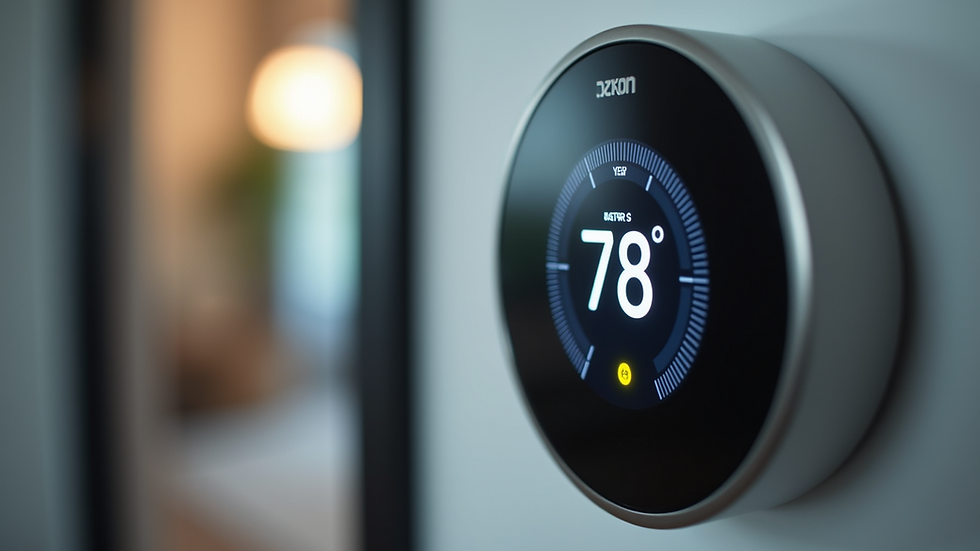
Inspect Heating and Cooling Systems
Before the cold sets in, it’s crucial to ensure that your heating system is functioning properly. Schedule a maintenance check for your furnace or heating system to avoid any surprises when the temperatures drop.
In the warmer months, make sure your air conditioning is in good working order. A comfortable home temperature is vital for seniors, who may be more sensitive to heat and cold.
Weatherproof Your Home
Check for drafts around windows and doors. Use weather stripping or caulk to seal any gaps that could let cold air in during winter or cool air out during summer.
Additionally, consider adding insulation to your home if it’s lacking. This can help maintain a stable temperature and reduce energy costs.
Prepare for Seasonal Weather
Depending on your location, seasonal weather can vary significantly. If you live in an area prone to snow, ensure that you have the necessary supplies, such as salt for icy walkways and a snow shovel.
For warmer climates, keep an eye on the forecast for heatwaves and have fans or coolers ready to go.
Senior-Specific Preparations
Health Check-Ups
As seasons change, so do health needs. Schedule regular check-ups for seniors to ensure they are in good health. This is especially important before winter, as flu season can pose serious risks.
Discuss any concerns about seasonal allergies or other health issues with their healthcare provider.
Adjusting Wardrobe
Help seniors transition their wardrobe according to the season. For colder months, ensure they have warm clothing, including layers, hats, and gloves.
In warmer months, lightweight and breathable fabrics are essential. Encourage them to dress in layers to adapt to changing temperatures throughout the day.

Safety Measures
Install grab bars in bathrooms and ensure that walkways are clear of obstacles. Consider using non-slip mats to prevent falls, especially in areas that may become wet or icy.
Also, ensure that seniors have easy access to emergency contacts and medical information. A medical alert system can provide peace of mind for both seniors and their families.
Creating a Comfortable Environment
Seasonal Decor
Changing decor with the seasons can uplift spirits and create a warm atmosphere. In autumn, consider adding cozy blankets and warm colors. In winter, festive decorations can bring joy and cheer.
Encourage seniors to participate in decorating, as it can be a fun and engaging activity.
Engage in Seasonal Activities
Encourage seniors to engage in seasonal activities that promote physical and mental well-being. In the fall, consider nature walks to enjoy the changing leaves. In winter, indoor activities like puzzles or crafts can keep them engaged and active.
Stay Connected
As the seasons change, it’s important for seniors to stay connected with family and friends. Regular visits, phone calls, or video chats can help combat feelings of isolation that may arise during colder months.
Conclusion
Preparing your home and seniors for the seasonal transition is essential for ensuring comfort, safety, and well-being. By taking proactive steps, you can create an environment that supports their needs throughout the year.
From inspecting heating systems to adjusting wardrobes and engaging in seasonal activities, every little effort counts. Embrace the changes that each season brings, and make the most of this time with your loved ones.

By following these tips, you can ensure that both your home and the seniors in your life are well-prepared for whatever the seasons may bring.



Comments